A Productive Rant About garage door installation helensvale goldcoastgaragedoorrepair.com.au
How to Repair Heavy Garage Doors: Expert Guide for 2025
Heavy garage doors are essential for securing your home and protecting your vehicles, but their weight and mechanical complexity can lead to unique repair challenges. Whether it’s broken garage springs, malfunctioning door openers, or misaligned tracks, knowing how to diagnose and fix these issues safely is invaluable. This comprehensive guide will walk you through the most common problems, safe inspection methods, detailed repair steps, maintenance tips, and when to call a professional to keep your heavy garage door functioning smoothly all year round.What Are the Common Issues with Heavy Garage Doors?
Heavy garage doors often experience wear and tear due to their size and frequent use. Common problems include broken garage springs, damaged door panels, worn garage hinges, misaligned tracks, and faulty garage door locks. These issues can cause the door to operate erratically or become stuck.
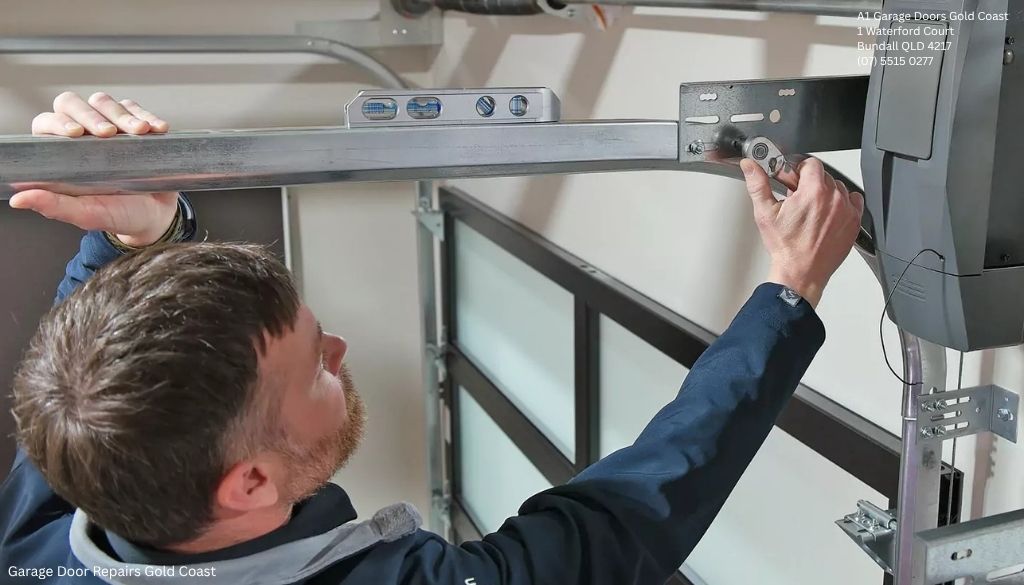
Typical problems you might encounter are:
- Broken torsion or extension springs: These provide the tension needed to lift heavy doors and can snap due to metal fatigue.
- Misaligned garage door tracks: Tracks that are bent or loose affect the smooth movement of rollers, leading to noisy or jerky operation.
- Worn roller bearings and garage door rollers: Old rollers create resistance and strain the opener mechanism.
- Damaged door panels and hinges: Impacts or weather damage can warp panels made of steel or aluminium frames, compromising insulation and aesthetics.
- Faulty garage door locks: A malfunctioning lock can prevent secure closure or complicate manual opening.
Watch for signs such as uneven door movement, squeaking noises, difficulty opening or closing, and visible damage. Identifying these early helps prevent more costly repairs later.
How Do You Safely Inspect a Heavy Garage Door Before Repairing It?
Safety is paramount when inspecting a heavy garage door. Before any repair, perform a detailed safety check to prevent injury or further damage.
Follow these steps for a thorough and safe inspection:
- Disconnect the power supply: Unplug the electric garage door opener or switch off its circuit breaker to avoid accidental activation during inspection.
- Engage the manual release: Use the manual release handle to disengage the opener mechanism, allowing the door to be moved manually.
- Inspect safety sensors and cables: Check that the safety sensor beams at the door threshold are clear and aligned, and examine safety cables attached to springs for fraying or wear.
- Wear appropriate safety gear: Use gloves and eye protection when examining and handling springs or cables under tension.
- Check door balance: Lift the door halfway manually; it should stay in place without sagging or moving. Imbalance indicates spring or cable issues.
By performing this safe pre-repair inspection, you reduce risks and gain better insight into required repairs.
How to Repair and Replace Garage Springs on Heavy Garage Doors?
Garage springs bear the brunt of weight on overhead doors and come primarily in two types: torsion springs mounted above the door, and extension springs along the door tracks. Both types store vital spring tension necessary for lifting heavy steel or aluminium sectional doors.
Tools typically needed include winding bars (for torsion garage door installation helensvale goldcoastgaragedoorrepair.com.au springs), adjustable wrenches, locking pliers, and safety cables for protection.
The procedure for spring replacement involves:
- Release spring tension safely: For torsion springs, use winding cones and bars to carefully unwind tension; for extension springs, disconnect the pulley system cautiously.
- Remove old springs: Detach from the spring anchor points and the garage frame while supporting the door properly.
- Install new springs: Attach tightly ensuring proper orientation; for torsion springs, wind correctly to recommended turns based on door height.
- Check door balance and adjust spring tension: Ensure the heavy door lifts smoothly and stays balanced when opened halfway manually.
- Reconnect safety cables: These prevent snapped springs from causing injury or property damage.
Important safety warning: Garage springs store enormous energy and mishandling can cause serious injury or death. If unsure, always call a certified professional for repair or replacement.
What Should You Know About Fixing or Replacing Garage Door Openers and Motors?
The door opener, driven by a garage motor, controls the automatic movement of heavy overhead or sectional doors. Problems often arise from worn opener gears, broken opener chains, or faulty sensors.
To troubleshoot or repair your opener mechanism:
- Inspect electrical connections: Check the garage control panel and wiring for power issues.
- Examine mechanical parts: Look for stripped gears, broken chains or belts, and lubricate moving parts using lubricant spray.
- Test safety sensors and remote controls: Clean garage door sensors and reprogram remote controls or keypad entry systems after repairs.
- Replace faulty motor drive components: Consult manufacturer guidelines for compatible replacement parts and installation process.
Regular maintenance on the opener keeps heavy garage doors working efficiently and reduces breakdowns.
How to Realign Garage Door Tracks and Replace Rollers?
Track alignment is crucial for smooth door operation. Misaligned or bent garage door tracks cause heavy doors to bind and strain opener mechanisms. Signs include jerking movement, excessive noise, or door sticking.
Steps to realign tracks and replace rollers:
- Loosen track fasteners: Use appropriate tools to slightly loosen bolts holding tracks to the garage frame.
- Adjust tracks: Use a level to ensure tracks are vertically straight and parallel, re-tighten hardware carefully.
- Replace worn rollers: Remove old garage door rollers with damaged roller bearings and install new ones designed for heavy-duty doors.
- Lubricate rollers and tracks: Apply lubricant spray to reduce friction and prolong component life.
Properly aligned tracks and functional rollers ensure quieter, smoother, and safer door movement.
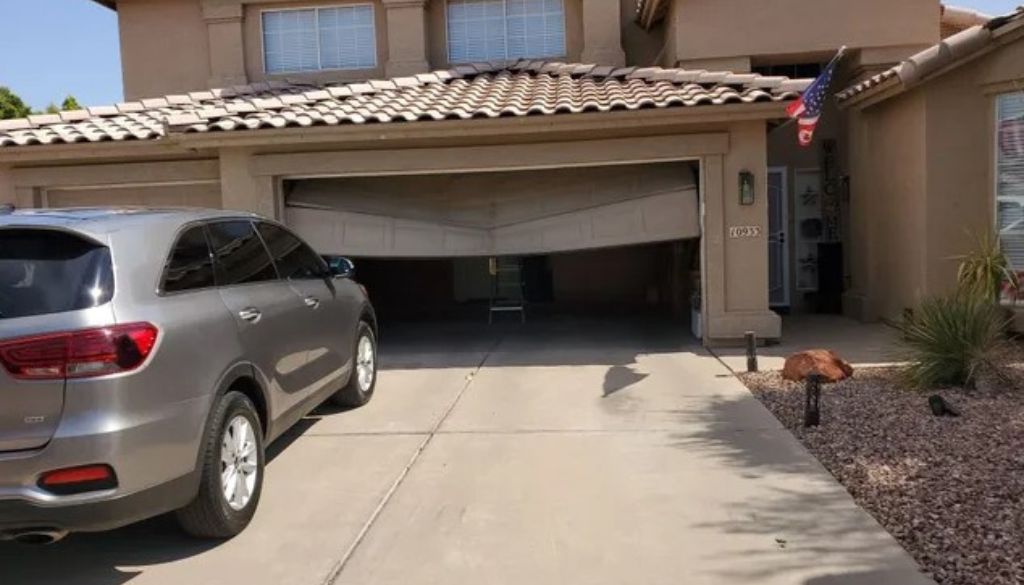
How to Repair Damaged Door Panels, Hinges, and Weather Seals?
Damaged door panels and hinges affect both appearance and functionality. Heavy steel panels or aluminium frames may dent or corrode, while wooden door components risk warping and weather damage.
Repair methods include:
- Metal panel repairs: Use filler compounds or replace individual steel panels for significant dents or rusted areas.
- Hinge replacement: Remove damaged garage hinges and install new heavy-duty hinges rated for your door’s weight.
- Weather and bottom seal replacement: Install new weather seals and bottom seals to block drafts, prevent pests, and improve garage insulation.
- Door handles and lock maintenance: Fix or replace malfunctioning garage door handles and locks to maintain security and ease of use.
Maintaining panels, hinges, and seals extends your garage door’s lifespan and improves energy efficiency.
What Maintenance Practices Can Prevent Heavy Garage Door Problems?
Routine garage door maintenance significantly reduces breakdowns and enhances safety. Recommended practices include:
- Regular inspection: Check springs, cables, rollers, and tracks every six months for wear or damage.
- Lubrication: Apply lubricant spray to rollers, hinges, and garage door springs to reduce friction.
- Spring tension adjustment: Monitor and adjust garage door springs to maintain proper door balance.
- Sensor cleaning and calibration: Wipe down garage door sensors to prevent false triggers or closure failure.
- Garage threshold and frame upkeep: Ensure the garage threshold is level and the frame is sturdy for smooth door operation.
When Should You Call a Professional for Heavy Garage Door Repairs?
While many repairs are manageable for DIY enthusiasts, certain situations require expert attention, including:
- Replacing or adjusting high-tension torsion springs.
- Fixing complicated garage motor or opener mechanism failures.
- Repairing structural damage to heavy steel panels or the garage frame.
- Troubleshooting persistent operational issues after basic maintenance attempts.
The risks of injury or costly mistakes mean hiring a licensed garage door technician is advisable for complex repairs. Choose technicians with verified credentials and insurance coverage.
How To Upgrade Your Heavy Garage Door with Modern Safety Features?
Upgrading your garage door enhances home safety and convenience. Consider integrating:
- Safety sensors: Infrared beams stop the door if an object or person obstructs its path.
- Safety cables: Protect against dangerous spring breakage accidents.
- Automatic closers: Ensure doors automatically close after a set time to improve security.
- Advanced locks and remote control systems: Increase access control with smart remotes or keypad entry.
Installation typically involves mounting sensors near the garage threshold, wiring upgrades, and programming control panels for seamless operation.
How to Improve Energy Efficiency of Heavy Garage Doors?
Heavy garage doors can be a source of heat loss or gain. Improving energy efficiency involves:
- Adding garage insulation: Foam or fiberglass insulation between steel panels reduces temperature fluctuations.
- Installing upgraded weather seals and bottom seals: Prevent drafts and moisture intrusion.
- Sealing gaps around aluminium frames: Use weatherstripping to enhance airtightness.
- Maintaining the garage threshold: Ensure it seals properly against the door to minimize air leakage.
These upgrades help reduce heating and cooling costs while creating a more comfortable garage environment.
Frequently Asked Questions (FAQs)
Q1: Can I Repair Broken Garage Springs by Myself?
A: While minor adjustments may be possible, repairing or replacing high-tension torsion or extension springs on heavy garage doors is hazardous. It is strongly recommended to hire a professional to avoid injury.
Q2: How Often Should Heavy Garage Doors Be Maintained?
A: Heavy garage doors should be inspected and maintained every six months. This includes lubrication, spring tension checks, and sensor testing to extend lifespan and ensure safety.
Q3: What Causes a Heavy Garage Door to Become Unbalanced?
A: Imbalance usually results from worn springs, broken lift cables, or misaligned tracks. An unbalanced door strains the opener and poses safety risks, requiring timely correction.
Q4: Why Does My Garage Door Opener Stop Working?
A: Common causes include electrical failures, worn gears, broken chains or belts, or sensor misalignment. Troubleshooting involves checking power supply, resetting controls, and inspecting mechanical parts.
Q5: How Can I Improve the Security of My Heavy Garage Door?
A: Enhancing security involves installing robust locks, upgrading to smart remote controls or keypad entries, and integrating safety sensors and automatic closers to prevent forced entry.
In summary, repairing heavy garage doors requires careful diagnosis, adherence to safety protocols, and the right tools. While some maintenance and minor fixes can be handled by skilled DIYers, high-risk repairs like spring replacement are best left to professionals. Routine upkeep, track and roller care, weather sealing, and modern safety upgrades ensure your heavy garage door operates smoothly, safely, and efficiently for years to come. Consult certified technicians if uncertain and keep your garage door in optimal condition to protect your home effectively.